Everything You Need to Know About Cappuccino Caffeine
Let’s get straight to the answer: how much caffeine in a cup of cappuccino ranges from 63 mg in a small cup to 189 mg in a large one. That’s the quick answer, but there’s so much more to discover!
Here’s what you need to know right now. A standard 12-ounce cappuccino contains about 120-154 mg of caffeine from two espresso shots. All the caffeine comes from espresso—the milk and foam have zero caffeine. Your cup size matters most: small cups (6-8 oz) give you 63-75 mg, medium cups (12 oz) deliver 120-154 mg, and large cups (16-20 oz) pack 150-210 mg of pure energy.
The cappuccino caffeine content also depends on your coffee beans. Arabica beans contain 1.2-1.5% caffeine, while Robusta beans have nearly double at 2.2-2.7%. Starbucks Grande cappuccino has 150 mg, Dunkin’ medium has 225 mg, and McDonald’s medium contains 142 mg. Compare this to regular drip coffee at 180-240 mg per 12 ounces—cappuccino is actually lighter!
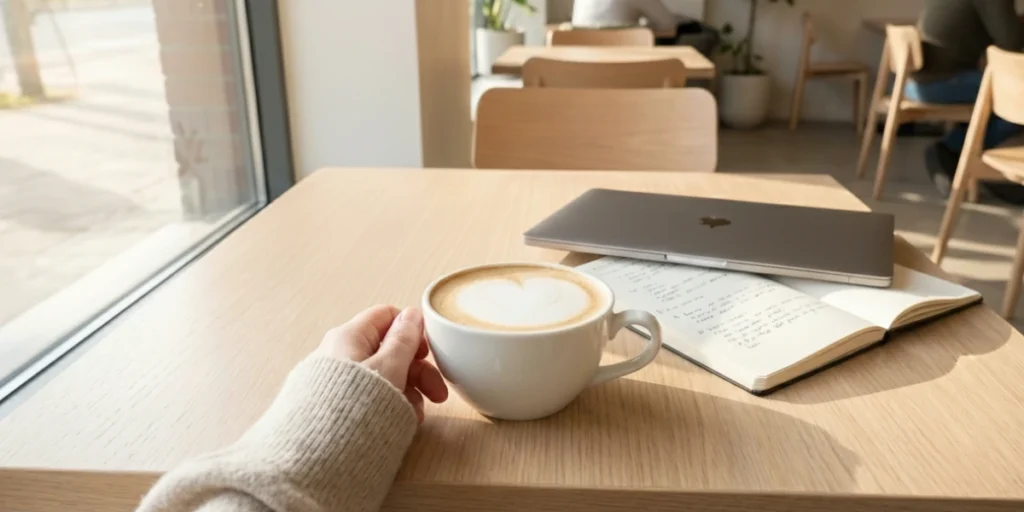
Health experts say most adults can safely enjoy 400 mg of caffeine daily. This means 2-3 medium cappuccinos fit perfectly within safe limits. The caffeine levels in cappuccino provide steady energy without the crash from energy drinks. You’ll boost mental focus by 12-15%, improve physical performance, and even support long-term health when consumed moderately.
In this complete guide, you’ll discover: exact caffeine amounts by coffee shop brand, how bean types change your energy levels, why how many mg of caffeine in a cappuccino varies so much, comparison tables with other drinks, health benefits backed by science, a perfect home recipe to control your intake, and expert tips to maximize your cappuccino experience.
Ready to become a caffeine expert? The details below will surprise you, help you make smarter choices, and show you how to brew the perfect cup at home. Keep reading—your best cappuccino experience starts right now!
Not all coffee is created equal — and Turkish coffee is proof. Brewed unfiltered in a small copper pot called a cezve, it delivers a bold, syrupy cup that no espresso machine can replicate. The secret lies in the grind (powder-fine, almost like flour) and the technique. For anyone curious about trying it at home, this detailed Turkish coffee recipe on IboBeans covers every detail, from bean selection to foam technique, plus the surprising health benefits hiding in that small cup.
How Much Caffeine in a Cup of Cappuccino by Size
This is where things get interesting. How much caffeine in a cup of cappuccino changes dramatically based on size. Let’s break down exactly what you’re consuming:
| Cup Size | Volume | Espresso Shots | Caffeine Amount |
|---|---|---|---|
| Small (Italian) | 6-8 oz | 1 shot | 63-75 mg |
| Medium (Standard) | 12 oz | 2 shots | 120-154 mg |
| Large (American) | 16 oz | 2-3 shots | 150-189 mg |
| Extra Large | 20 oz | 3 shots | 189-210 mg |
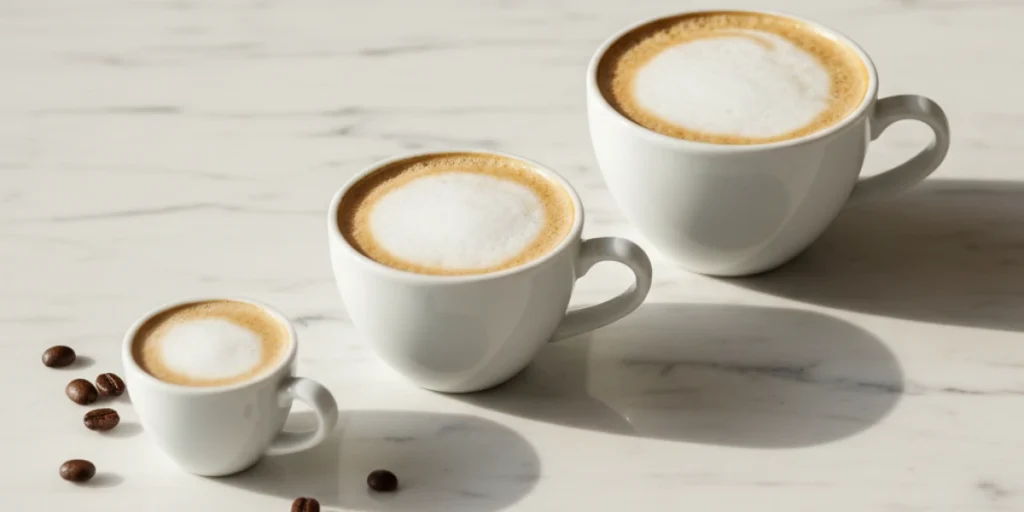
Each espresso shot contains approximately 63 mg of caffeine, according to USDA FoodData Central. This means how many mg of caffeine in a cup of cappuccino directly correlates with shot count. A small morning cappuccino gives you a gentle 63 mg lift—perfect for starting your day without jitters.
Medium 12-ounce cups are America’s favorite size. With two shots delivering 120-154 mg, you get balanced energy that lasts 3-5 hours. Research from Caffeine Informer confirms this is the sweet spot for most coffee drinkers.
Large 16-20 ounce cups pack serious caffeine at 150-210 mg. This approaches the amount in energy drinks but delivers it more naturally. The FDA recommends staying under 400 mg daily for healthy adults. This means even a large cappuccino leaves room for more coffee later.
Fun Facts About Cappuccino Sizes
| Fun Fact | Details |
|---|---|
| 🇮🇹 Traditional Italian Size | Original cappuccinos are only 5-6 oz—much smaller than American versions! |
| ⚖️ Weight vs Volume | Espresso weighs more than regular coffee due to higher concentration |
| 🕐 Best Drinking Time | Italians only drink cappuccino before 11 AM—never after meals |
| 📏 Perfect Ratio | Classic cappuccino = 1/3 espresso, 1/3 steamed milk, 1/3 foam |
The size you choose determines your entire caffeine experience. Start small if you’re sensitive to caffeine. Graduate to medium for standard energy. Only go large when you need maximum focus for demanding tasks. Understanding how many mg of caffeine in a cappuccino by size helps you customize your perfect drink.
Want to explore other coffee sizes? Check out our guide on what is doppio coffee to understand double espresso shots better.
What Is a Cappuccino and Where Does Caffeine Come From?
Now that you know the numbers, let’s understand the drink itself. A cappuccino is a classic Italian coffee beverage with three equal parts: espresso, steamed milk, and milk foam. This perfect combination creates a smooth, creamy texture with rich coffee flavor.
Here’s the crucial truth: ALL caffeine in your cappuccino comes exclusively from espresso. The milk contains zero caffeine. The foam contains zero caffeine. According to the National Coffee Association, coffee is the only ingredient that provides caffeine. This means the cappuccino caffeine content depends entirely on espresso shot quantity.
Traditional Italian cappuccinos use one espresso shot in a 5-6 ounce cup. Modern American coffee shops serve larger sizes with two or three shots. The espresso brewing process uses 9 bars of pressure to extract caffeine from finely ground coffee beans. This high-pressure extraction gives you concentrated coffee with about 63 mg of caffeine per ounce.
Espresso brewing time matters too. A proper shot extracts for 25-30 seconds. Shorter time (under-extraction) produces weak, sour coffee with less caffeine. A longer time (over-extraction) makes bitter coffee but slightly more caffeine. Professional baristas train extensively to hit the perfect extraction window. Research from the Specialty Coffee Association shows proper technique maximizes both flavor and caffeine efficiency.
Fun Facts About Cappuccino Origins
| Fun Fact | Details |
|---|---|
| 📅 First Invented | Cappuccino emerged in Italy during the early 1900s |
| 👨⚕️ Name Origin | Named after Capuchin monks whose robes matched the coffee’s color |
| 🏆 World Champion | Barista competitions judge cappuccino as the gold standard |
| 💡 Espresso Machine | Luigi Bezzera invented the first espresso machine in 1901 |
When you understand that milk and foam are caffeine-free, you realize why how much caffeine in a cup of cappuccino depends only on shots. This knowledge empowers you to customize your drink. Want less caffeine? Order a single shot with extra foam. Want more energy? Add an extra shot without changing milk amount.
The beauty of cappuccino lies in its balance. The espresso provides caffeine and robust flavor. The milk adds sweetness and smooth texture. The foam creates aesthetic appeal and light mouthfeel. Together, they deliver the perfect coffee experience that millions enjoy worldwide.
Learn more about espresso fundamentals at IboBeans.com, where we break down every coffee brewing method in simple terms.
Coffee Bean Types and Their Impact on Caffeine
Not all coffee beans are created equal. The bean type dramatically affects how many mg of caffeine in a cappuccino you consume. Let’s explore the two main varieties:
Arabica vs Robusta Beans
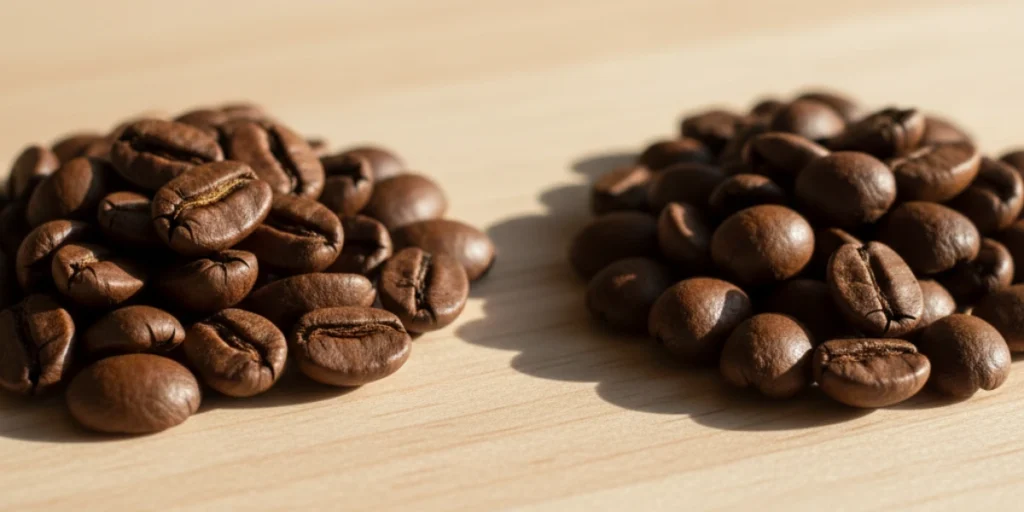
Arabica beans are the premium choice for specialty coffee. They contain 1.2-1.5% caffeine by weight and taste sweet, smooth, and fruity. According to Lavazza, Arabica represents 60-70% of global coffee production. Most high-end coffee shops use 100% Arabica for superior flavor.
Robusta beans pack nearly double the punch at 2.2-2.7% caffeine. They taste stronger, more bitter, and earthier. Research from Coffee Research Institute shows Robusta grows at lower altitudes and resists pests better due to higher caffeine content. Many Italian espresso blends traditionally mix 80% Arabica with 20% Robusta.
| Bean Type | Caffeine % | Taste Profile | Price Point | Common Use |
|---|---|---|---|---|
| Arabica | 1.2-1.5% | Sweet, fruity, smooth | Higher | Specialty cafes |
| Robusta | 2.2-2.7% | Bitter, earthy, strong | Lower | Espresso blends |
If your cappuccino uses pure Arabica beans, you get the standard amounts listed earlier. But if the blend includes Robusta, the caffeine levels in cappuccino can jump 30-50%. Some traditional Italian espresso blends use Robusta specifically to boost caffeine and create thick crema on top.
Roast Level Effects
Many people think dark roast coffee has more caffeine. This is wrong! Light roast beans actually retain slightly more caffeine because roasting breaks down caffeine molecules. However, the difference is minimal—only 5-10% according to the National Coffee Association.
The roasting process affects flavor more than caffeine. Light roasts taste bright and acidic. Medium roasts offer balanced flavor. Dark roasts deliver bold, smoky notes. Your caffeine intake stays nearly identical across all roast levels when measured by weight.
Fun Facts About Coffee Beans
| Fun Fact | Details |
|---|---|
| 🌍 Origin Stories | Coffee originated in Ethiopia over 1,000 years ago |
| 🌱 Growing Altitude | Arabica grows at 600-2000m; Robusta at 200-800m elevation |
| 🔬 Caffeine = Defense | Plants produce caffeine naturally to repel insects |
| 💰 Price Difference | Arabica costs 2-3x more than Robusta beans |
What matters most for consistent caffeine? Bean freshness. Coffee beans roasted within 2-4 weeks deliver peak flavor and caffeine. Old beans lose potency and taste stale.
Want to taste the difference? Try single-origin Arabica beans first, then compare with an Italian espresso blend containing Robusta. You’ll immediately notice how how much caffeine in a cup of cappuccino feels different in your body.
Cappuccino Caffeine vs Other Coffee Drinks
How does cappuccino caffeine content compare to your other favorite drinks? The differences might surprise you:
| Drink Type | Size | Caffeine Amount | Key Difference |
|---|---|---|---|
| Cappuccino | 12 oz | 120-154 mg | Balanced milk-to-espresso ratio |
| Latte | 12 oz | 150-175 mg | More milk, same espresso shots |
| Americano | 12 oz | 150-225 mg | Espresso + hot water only |
| Drip Coffee | 12 oz | 180-240 mg | Higher volume = more caffeine |
| Espresso (single) | 1 oz | 63-75 mg | Pure concentrated caffeine |
| Cold Brew | 12 oz | 150-200 mg | Slow extraction increases caffeine |
| Flat White | 6 oz | 130 mg | Double ristretto shots |
| Macchiato | 2 oz | 75-80 mg | Espresso with minimal milk |
Here’s the surprising truth: drip coffee contains MORE caffeine than cappuccino! An 8-ounce cup of regular brewed coffee packs about 95 mg according to USDA data. Scale that to 12 ounces and you’re consuming 180-240 mg—significantly more than a medium cappuccino.
Why does drip coffee have more caffeine? Volume. Drip brewing uses more ground coffee beans and longer extraction time. Even though espresso is more concentrated per ounce, the total volume in drip coffee delivers more caffeine. Research from Mayo Clinic confirms this counterintuitive fact surprises most coffee drinkers.
Lattes and cappuccinos have nearly identical caffeine because they use the same espresso shots. The only difference is milk-to-foam ratio. Lattes have more steamed milk and less foam. Cappuccinos split it evenly. Understanding how much caffeine in a cup of cappuccino compared to other drinks helps you make smarter choices throughout the day.
Fun Facts About Coffee Drink Comparisons
| Fun Fact | Details |
|---|---|
| ⚡ Energy Drink Trap | 12 oz Red Bull has only 111mg—less than a cappuccino! |
| 🧊 Cold Brew Power | Cold brew takes 12-24 hours to make but packs more caffeine |
| 🥛 Milk Doesn’t Dilute | Adding milk doesn’t reduce caffeine—only dilutes concentration |
| 📊 Starbucks Secret | Their “Pike Place” drip coffee beats all espresso drinks in caffeine |
For example, if you want maximum caffeine with minimum volume, order a doppio (double espresso). If you prefer gentler energy that lasts longer, cappuccino hits the perfect balance. Want to learn more about different caffeine levels? Read our complete guide on how much caffeine in cappuccino for detailed comparisons.
The caffeine levels in cappuccino make it ideal for sustained focus without jitters. Unlike energy drinks that spike your blood sugar, cappuccino provides natural, gradual energy. The combination of caffeine and milk proteins creates lasting fuel for your body and brain.
Popular Coffee Shop Cappuccino Caffeine Levels
Different coffee chains serve different amounts. Here’s exactly what you get at major brands:
Starbucks Cappuccino
- Tall (12 oz): 75 mg
- Grande (16 oz): 150 mg
- Venti (20 oz): 150 mg
Starbucks uses two espresso shots in Grande and Venti sizes. This means how many mg of caffeine in a cappuccino stays consistent once you go above Tall. According to Starbucks official nutrition data, their espresso beans are custom roasted for consistent caffeine content.
Dunkin’ Donuts Cappuccino
- Small (10 oz): 175-180 mg
- Medium (14 oz): 225 mg
- Large (20 oz): 250-270 mg
Dunkin’ serves significantly stronger cappuccinos! Their small size already exceeds Starbucks Grande.
McDonald’s Cappuccino
- Small (12 oz): 71 mg
- Medium (16 oz): 142 mg
- Large (20 oz): 178 mg
McDonald’s cappuccinos are lighter in caffeine. Their nutritional information confirms approximately 142 mg for medium size—perfect if you’re watching intake.
Peet’s Coffee Cappuccino
- Small (8 oz): 70 mg
- Medium (12 oz): 140 mg
- Large (16 oz): 140 mg
Peet’s follows European traditions with smaller, stronger shots.
Fun Facts About Coffee Shop Differences
| Fun Fact | Details |
|---|---|
| 🏪 Chain Variations | Same size can vary by 100mg between different chains! |
| 👨🍳 Barista Factor | Individual baristas affect caffeine by 10-15% per cup |
| 📍 Location Matters | Airport locations often use weaker shots than regular stores |
| 🕰️ Time of Day | Morning shifts typically pull stronger shots than evening |
Always ask your barista for exact shot count if you need precise numbers. Most chains happily share this information. Knowing how much caffeine in a cup of cappuccino from your favorite shop helps you plan daily intake strategically.
Want consistency? Make cappuccinos at home using quality beans from IboBeans.com. You’ll control exactly how much caffeine you consume while saving money. A home setup pays for itself in just 2-3 months of daily drinks.
Health Benefits and Safe Daily Limits
Moderate caffeine consumption offers real, scientifically-proven health benefits. Let’s explore what research shows:
Proven Health Benefits
Research from Harvard School of Public Health demonstrates caffeine’s positive effects:
- Boosts Mental Focus: Caffeine improves concentration and alertness by 12-15%
- Enhances Physical Performance: Increases endurance and strength by activating the nervous system
- Supports Brain Health: May reduce risk of Alzheimer’s and Parkinson’s disease
- Improves Mood: Reduces depression risk through dopamine stimulation
- Aids Metabolism: Temporarily increases metabolic rate by 3-11%
- Rich in Antioxidants: Coffee is the #1 source of antioxidants in American diets
According to Mayo Clinic research, people who consume 3-4 cups of coffee daily show lower rates of various diseases. The caffeine levels in cappuccino fall within this beneficial range when consumed moderately.
Safe Daily Caffeine Limits
| Age Group | Maximum Daily Caffeine | Cappuccino Equivalent |
|---|---|---|
| Healthy Adults | 400 mg | 2-3 medium cups |
| Pregnant Women | 200 mg | 1-2 small cups |
| Teens (12-18) | 100 mg | 1 small cup |
| Children (under 12) | 0 mg | None recommended |
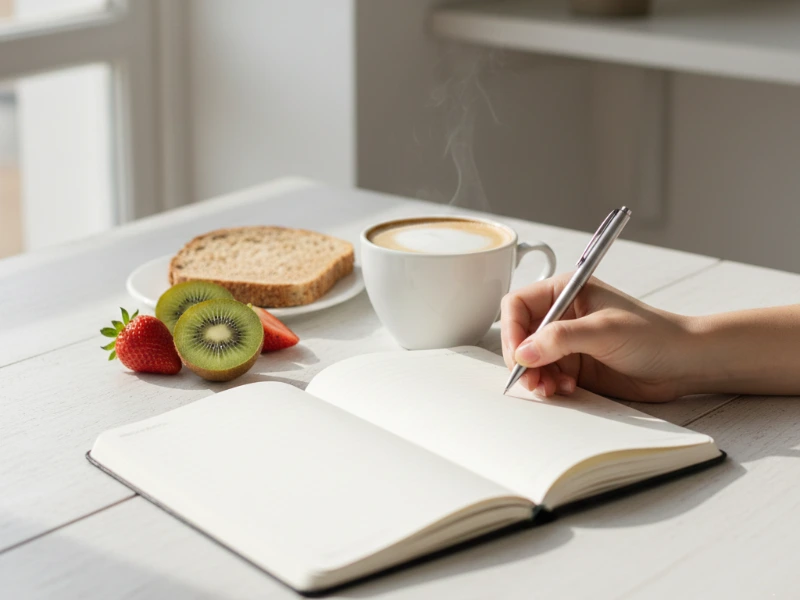
The FDA guidelines support 400 mg daily for most adults. This means 2-3 medium cappuccinos fit safely within limits. However, individual tolerance varies based on genetics, body weight, and caffeine sensitivity.
Warning Signs of Too Much Caffeine
Pay attention to your body. Reduce intake if you experience:
- Jitters or shaky hands
- Rapid heartbeat or palpitations
- Anxiety or nervousness
- Difficulty sleeping
- Digestive upset
- Headaches or dizziness
Fun Facts About Caffeine and Health
| Fun Fact | Details |
|---|---|
| ⏱️ Peak Time | Caffeine reaches peak blood levels in 45-60 minutes |
| 🧬 Genetic Factor | CYP1A2 gene determines if you’re a fast or slow caffeine metabolizer |
| 💊 Half-Life | Caffeine’s half-life is 5-6 hours in your body |
| 🏃 Athlete’s Edge | Olympic athletes use caffeine legally as a performance enhancer |
Most people metabolize how much caffeine in a cup of cappuccino within 5-6 hours. This means a noon cappuccino clears your system by evening. However, if you’re sensitive, set a cutoff time of 2-4 PM to ensure good sleep.
Want caffeine-free options? Explore the best decaf coffee beans that deliver full flavor with only 2-5 mg caffeine. Perfect for evening enjoyment without sleep disruption!
Factors That Change Cappuccino Caffeine Content
Several variables affect exactly how many mg of caffeine in a cup of cappuccino you consume. Understanding these helps you customize your perfect drink:
1. Espresso Shot Strength
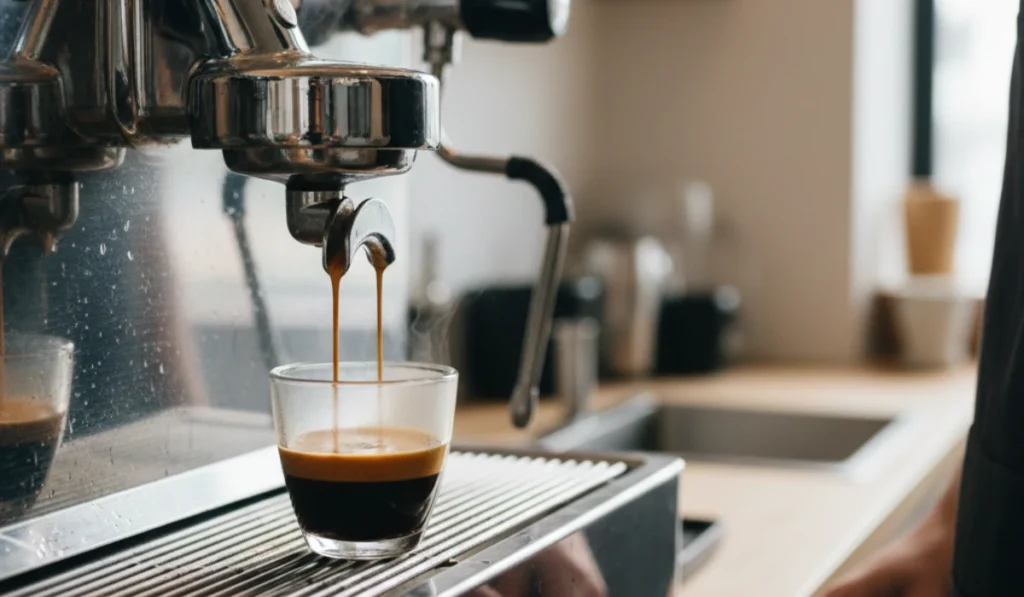
Extraction time is crucial. A standard shot extracts for 25-30 seconds. Going 5-10 seconds longer pulls more caffeine but risks bitter taste. Under-extracting produces weak, sour coffee with 10-15% less caffeine. Professional baristas use precise timers to hit the sweet spot consistently.
2. Grind Size
Finer grounds expose more surface area for water contact. This allows better caffeine extraction.
3. Water Temperature
Ideal temperature is 195-205°F (90-96°C). Hotter water extracts more caffeine but can taste burnt. Cooler water under-extracts, leaving caffeine behind. Research from the Specialty Coffee Association shows temperature consistency matters more than absolute temperature.
4. Bean Freshness
Fresh beans within 2-4 weeks of roasting deliver consistent caffeine and optimal flavor. Old beans lose CO2 gas that helps extraction. They also oxidize, reducing both taste and caffeine potency by 15-25%. Always check roast dates when buying coffee.
5. Blend Composition
As mentioned earlier, Robusta beans double the caffeine compared to pure Arabica. Many espresso blends use 70-80% Arabica and 20-30% Robusta for balanced taste and extra caffeine. Ask your barista about their blend composition if you’re tracking intake carefully.
6. Tamping Pressure
Baristas tamp (compress) ground coffee with about 30 pounds of pressure. Proper tamping creates even extraction. Too light, and water channels through quickly with less caffeine. Too hard, and water can’t flow properly. This skill takes practice to master.
Fun Facts About Espresso Variables
| Fun Fact | Details |
|---|---|
| 💧 Water Quality | Mineral content in water affects extraction by 10-15% |
| 🎯 Dose Accuracy | Professional baristas weigh coffee to 0.1 gram precision |
| 🌡️ Temperature Drop | Espresso cools 10-15°F from machine to cup |
| ⏲️ 1-Second Rule | Each second of extraction changes caffeine by about 2mg |
These variables mean how much caffeine in a cup of cappuccino can vary by 15-30% even at the same coffee shop. Consistency depends on barista skill, quality equipment, and fresh ingredients. This is why some days your cappuccino feels stronger than others—it’s not your imagination!
For ultimate control, make cappuccinos at home. Fresh beans from IboBeans.com, combined with proper technique, give you perfect results every time. You’ll know exactly what you’re consuming and save money, too.
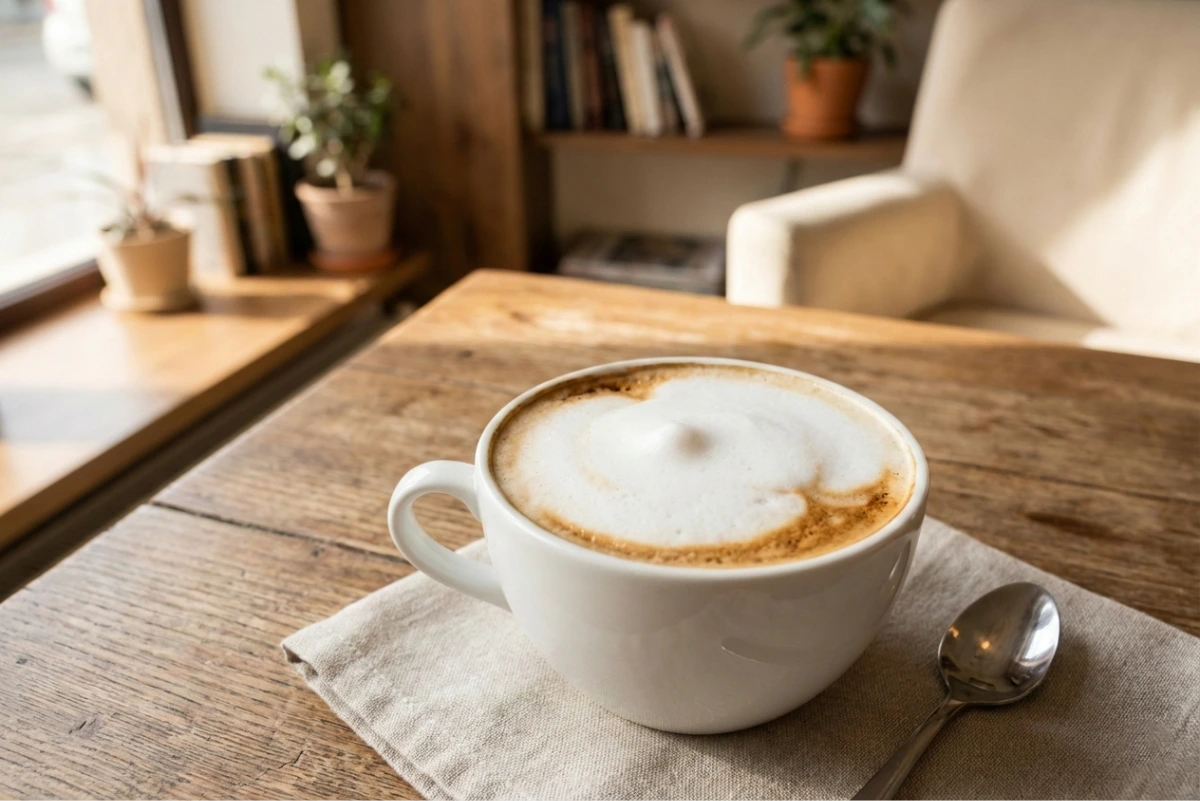
Perfect Homemade Cappuccino (63mg Caffeine)
Ingredients
Equipment
Method
- Grind fresh coffee beans to fine espresso consistency.
- Brew espresso shot using espresso machine. Extraction should take 25-30 seconds for 1-1.5 oz of espresso.
- Heat milk to 150-155°F (65-68°C) using steam wand. Do not boil.
- Froth half the heated milk until thick and creamy with tiny bubbles.
- Pour hot espresso into your cup.
- Add steamed milk to espresso.
- Top with thick milk foam.
- Optional: Dust with cocoa powder or cinnamon. Serve immediately.
- Fresh beans make 80% of the difference in taste
- Never boil milk – it destroys sweetness
- Clean your equipment daily for best results
- Practice foam art for Instagram-worthy cups
- Drink immediately while hot
Notes
- Use fresh beans roasted within 2-4 weeks for best flavor
- Water temperature should be 195-205°F (90-96°C)
- Milk temperature of 150°F creates sweetest taste
- Contains approximately 63mg caffeine per serving
- Use high-quality Arabica beans for smooth taste
- Add extra shot for 126mg caffeine
Storage Instructions:
Cappuccino is best consumed immediately. Cannot be stored or reheated.
How to Make the Perfect Cappuccino at Home
Want to control your caffeine intake and save money? Making cappuccinos at home is easier than you think! Here’s a detailed recipe:
Ingredients
- 18-20 grams fresh espresso coffee (finely ground)
- 3-4 oz whole milk (or plant-based alternative)
- Optional: cocoa powder or cinnamon
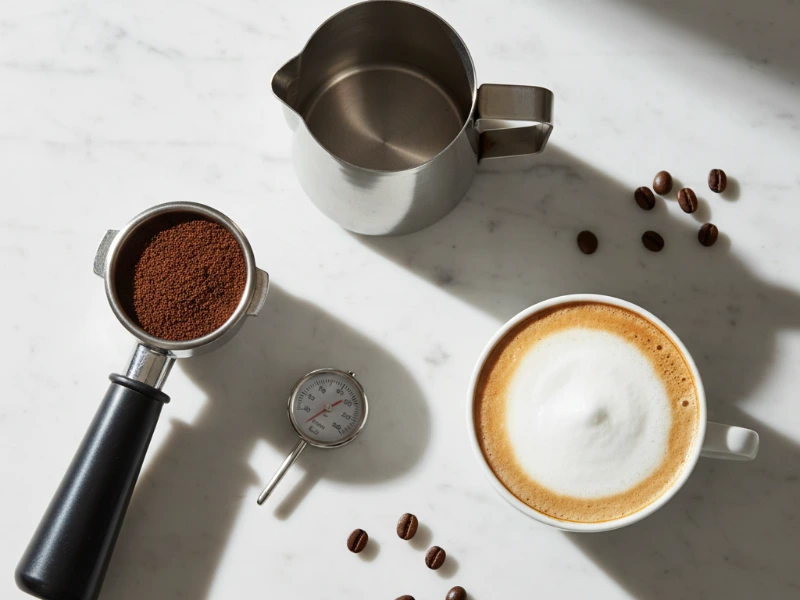
Equipment
- Espresso machine or Moka pot
- Milk frother or steam wand
- 6-8 oz cappuccino cup
- Digital scale (optional but recommended)
- Thermometer
Step-by-Step Instructions
Step 1: Grind Fresh Beans
Grind coffee to a fine espresso consistency—like table salt. Grind only what you need immediately.
Step 2: Dose and Tamp
Add 18-20 grams of ground coffee to the portafilter. Distribute evenly, then tamp with firm, level pressure. Research from Barista Hustle shows 30 pounds of pressure is ideal.
Step 3: Extract Espresso
Lock the portafilter into the machine. Start extraction. Watch for golden-brown crema forming. Extraction should take 25-30 seconds and produce 1-1.5 oz of espresso. If too fast, grind finer. If too slow, grind coarser.
Step 4: Steam Milk
Pour cold milk into the pitcher (fill only halfway). Insert the steam wand just below the surface. Create whirlpool motion. Heat to 150-155°F (65-68°C). Never boil milk—it kills sweetness.
Step 5: Create Microfoam
Continue steaming until the milk doubles in volume. Texture should resemble wet paint—silky with tiny bubbles. Tap pitcher on counter to remove large bubbles. Swirl to integrate foam.
Step 6: Combine
Pour espresso into a cup. Immediately add steamed milk from center of the cup. Raise pitcher as cup fills. Top with remaining foam. The perfect ratio: 1/3 espresso, 1/3 milk, 1/3 foam.
Step 7: Finish and Enjoy (Optional)
dust with cocoa powder or cinnamon. Serve immediately while hot. The perfect temperature is 140-150°F for drinking.
Fun Facts About Home Brewing
| Fun Fact | Details |
|---|---|
| 💰 Cost Savings | Homemade cappuccino costs $0.50-0.75 vs $4-6 at shops |
| 🏠 Break-Even Point | Quality espresso machine pays for itself in 3-4 months |
| 🎨 Latte Art | Professional latte art takes 100+ practice pours to master |
| ⚡ Caffeine Control | You know EXACTLY how much caffeine you’re consuming |
This homemade cappuccino contains approximately 63 mg of caffeine from one shot. Want more energy? Add a second shot for 126 mg total. Making coffee at home gives you complete control over how much caffeine in a cup of cappuccino you consume.
For more brewing techniques, check out our black coffee guide and explore additional methods at IboBeans.com.
Special Diet Cappuccino Options
Decaf Cappuccino
Decaf espresso contains only 2-5 mg of caffeine—97% less than regular! The decaffeination process removes caffeine while preserving most flavor compounds. Methods include Swiss Water Process, CO2 process, and solvent-based extraction.
If you love cappuccino taste but need to avoid caffeine at night, decaf is perfect. The richness and texture remain identical. Only the stimulant effect disappears. Many people can’t taste the difference in blind tests.
Alternative Milk Cappuccinos
Plant-based milks work great for cappuccinos:
Oat Milk: Froths beautifully, tastes slightly sweet, 120 calories per cup
Almond Milk: Lighter texture, nutty flavor, 60 calories per cup
Soy Milk: High protein, neutral taste, 130 calories per cup
Coconut Milk: Tropical flavor, rich texture, 140 calories per cup
Oat milk froths closest to dairy milk. Remember: using alternative milk doesn’t change caffeine content. The caffeine levels in cappuccino come only from espresso, not milk.
Half-Caf Cappuccino
Ask your barista for one regular shot and one decaf shot. This cuts caffeine in half while maintaining full flavor. You get about 35 mg instead of 70 mg per cup—perfect for afternoon drinks when you want taste without disrupting sleep.
Sugar-Free Options
Skip sugary syrups to keep your cappuccino healthy. Natural milk contains 8-12 grams of lactose (milk sugar), which provides natural sweetness. If you need extra sweetness, try stevia, monk fruit, or erythritol sweeteners.
Fun Facts About Special Diet Options
| Fun Fact | Details |
|---|---|
| 🌿 Decaf History | Decaf coffee was accidentally discovered in 1903 after a shipwreck |
| 🥛 Oat Milk Rise | Oat milk sales grew 300% from 2019-2022 |
| 🧪 Swiss Water | Swiss Water Process is 99.9% chemical-free decaffeination |
| 💚 Vegan Trend | 42% of Americans now drink plant-based milk regularly |
These options prove you can enjoy cappuccino regardless of dietary restrictions. Whether you need less caffeine, avoid dairy, or watch sugar intake, cappuccino adapts to your lifestyle. Explore coffee benefits for skin to learn how coffee supports overall wellness beyond just energy.
Tips for Managing Your Cappuccino Caffeine Intake
Here are practical strategies to enjoy cappuccino without overdoing caffeine:
1. Track Total Daily Caffeine:
Count all sources: coffee, tea, soda, energy drinks, chocolate, medications. Many headache pills contain 65 mg caffeine per tablet. Pre-workout supplements pack 150-300 mg. Add everything up to stay under 400 mg daily.
2. Set a Cutoff Time:
Stop drinking caffeine 6-8 hours before bedtime. Caffeine has a 5-6 hour half-life, meaning half remains in your body after 5 hours. A 2 PM cappuccino means 75 mg still circulating at 8 PM.
3. Start Small and Adjust:
Begin with small 6-8 oz cappuccinos. Monitor how you feel for 1-2 hours. Notice energy levels, jitters, heart rate, and mood. Gradually increase size if desired. Everyone metabolizes caffeine differently based on genetics.
4. Stay Hydrated:
Drink 8 oz water for every cup of coffee. Caffeine is a mild diuretic, increasing urine output slightly. Proper hydration prevents headaches and maintains energy levels. Keep a water bottle handy throughout the day.
5. Listen to Your Body:
Jitters, anxiety, or racing heart mean cut back immediately. Headaches can signal both too much AND withdrawal from regular caffeine. Sleep disruption is the clearest sign you’re consuming too late or too much.
6. Choose Quality Beans:
Fresh, high-quality beans provide consistent caffeine and better taste. Old or low-grade beans taste harsh and deliver unpredictable caffeine levels. Buy from reputable roasters who list roast dates clearly.
7. Ask Questions:
Always ask baristas: How many shots? What beans do you use? Can I get half-caf? Good coffee shops happily answer these questions. They want you to enjoy your drink and return.
8. Consider Timing Around Activities:
Drink cappuccino 30-60 minutes before workouts for performance boost. Avoid caffeine 4-6 hours before important meetings where you might get nervous. Time your intake strategically for optimal benefits.
Fun Facts About Caffeine Management
| Fun Fact | Details |
|---|---|
| 🧠 Tolerance Builds | Regular caffeine use increases tolerance in 1-2 weeks |
| 💤 Sleep Impact | Even morning caffeine can affect sleep quality that night |
| 🚰 Hydration Myth | Coffee does NOT dehydrate you—it counts toward daily fluid intake |
| 📉 Withdrawal | Caffeine withdrawal symptoms peak at 24-48 hours |
Most people tolerate 2-3 cappuccinos daily without problems. The moderate caffeine levels in cappuccino make it a balanced choice compared to energy drinks or pre-workout supplements. Control your intake, time it wisely, and enjoy the benefits without side effects.
Want more healthy coffee tips? Read about Thai coffee with condensed milk and explore different recipes that fit your lifestyle at IboBeans.com.
Frequently Asked Questions (FAQs)
Q1: How much caffeine in a cup of cappuccino from Starbucks?
A Starbucks Grande (16 oz) cappuccino contains 150 mg of caffeine from two espresso shots. Tall size has 75 mg with one shot, while Venti (20 oz) also has 150 mg because Starbucks doesn’t add a third shot for the larger size.
Q2: Is 150 mg of caffeine a lot?
No, 150 mg is moderate. Most healthy adults can safely consume up to 400 mg daily according to FDA guidelines. This amount provides good energy and mental focus without negative side effects for most people. It’s equivalent to about 1.5 cups of regular drip coffee.
Q3: Does cappuccino have more caffeine than regular coffee?
Usually no. An 8-oz cup of drip coffee contains about 95 mg, while a small cappuccino has 63-75 mg. However, large 16-20 oz cappuccinos can match or exceed drip coffee at 150-210 mg depending on how many espresso shots are used.
Q4: Can I drink cappuccino while pregnant?
Yes, but limit intake to 200 mg caffeine daily (about 1-2 small cappuccinos). The American College of Obstetricians and Gynecologists recommends this limit. Always consult your doctor for personalized advice during pregnancy, as individual circumstances vary.
Q5: How many mg of caffeine in a decaf cappuccino?
A decaf cappuccino contains only 2-5 mg of caffeine—about 97% less than regular. The decaffeination process removes nearly all caffeine while preserving flavor. Perfect for evening enjoyment without sleep disruption or for people sensitive to caffeine.
Q6: Does milk reduce caffeine in cappuccino?
No. Milk contains zero caffeine and doesn’t neutralize or destroy it. However, milk proteins and fats can slow caffeine absorption slightly, making the energy boost feel more gradual and longer-lasting compared to drinking straight espresso.
Q7: What time should I stop drinking cappuccino?
Stop consuming caffeine 6-8 hours before bedtime for best sleep quality. If you sleep at 10 PM, avoid cappuccino after 2-4 PM. Caffeine’s half-life is 5-6 hours, meaning half the dose remains in your system after this time.
Q8: Can kids drink cappuccino?
Children under 12 should avoid caffeine completely. Teens 12-18 can have small amounts (under 100 mg daily), but water, milk, and 100% fruit juice are healthier choices. Caffeine can interfere with growth, sleep, and academic performance in young people.
Q9: How long does cappuccino caffeine last?
Caffeine peaks in your bloodstream after 45-60 minutes. Effects last 3-5 hours for most people, though some feel impacts for 6-8 hours. Caffeine’s half-life (time for half to leave your body) is about 5-6 hours in healthy adults.
Q10: Why does my homemade cappuccino taste different from coffee shops?
Professional espresso machines use 9 bars of pressure and precise temperature control (195-205°F). Home machines vary widely in quality. The biggest factors are fresh beans, proper grind size, correct dosing (18-20g), and technique. Practice and quality equipment make all the difference.
Final Thoughts: Making Smart Cappuccino Choices
Now you have complete knowledge about how much caffeine in a cup of cappuccino and everything surrounding it. Let’s recap the key points:
A small cappuccino delivers 63-75 mg of gentle energy. Medium sizes provide 120-154 mg for sustained focus. Large cups pack 150-210 mg when you need maximum performance. The cappuccino caffeine content depends entirely on espresso shots—milk and foam add zero caffeine.
Coffee bean selection matters significantly. Arabica beans offer smooth taste with 1.2-1.5% caffeine. Robusta beans double the punch at 2.2-2.7%. Most specialty shops use pure Arabica or Arabica-dominant blends for superior flavor. Fresh beans roasted within 2-4 weeks deliver consistent caffeine and optimal taste every time.
Different coffee chains serve vastly different amounts. Starbucks Grande has 150 mg. Dunkin’ medium contains 225 mg. McDonald’s medium offers 142 mg. Always ask your barista for exact shot count if you’re tracking intake carefully. Small differences add up when you drink 2-3 cups daily.
Health benefits are real when consumed moderately. Most adults safely enjoy 2-3 cappuccinos within the 400 mg daily limit. You’ll boost mental focus, improve physical performance, and support long-term wellness. The key is listening to your body and adjusting intake based on individual sensitivity.
Remember these essential points:
- All caffeine comes from espresso, not milk or foam
- Small cappuccinos perfect for morning energy without jitters
- Most healthy adults can enjoy 2-3 cappuccinos daily
- Fresh beans make the biggest quality difference
- Track total daily caffeine from all sources
- Stop drinking caffeine 6-8 hours before bed
- Homemade cappuccinos give you complete control
Ready to brew the perfect cup? Visit IboBeans.com for premium coffee beans, easy recipes, and expert tips. We offer fresh-roasted beans delivered to your door, detailed brewing guides, and a supportive community of coffee lovers.
Whether you prefer classic cappuccino, want to try Thai coffee with condensed milk, or need guidance on the best decaf options, we have everything you need.
Start your coffee journey today at IboBeans.com. Your taste buds and energy levels will thank you! Which cappuccino size will you try first? Share your favorite coffee shop and brewing tips in the comments below. Let’s build a community of informed cappuccino enthusiasts together!
One thought on “How Much Caffeine in a Cup of Cappuccino? Shocking Truth!”
Comments are closed.