Ever wondered why a tiny cup of Turkish coffee leaves such a lasting impression? While most coffee drinks come in oversized mugs, this centuries-old brew packs intense flavor, rich tradition, and surprising health benefits into just a few sips.
You’re about to discover exactly how to make Turkish coffee at home, from selecting the right Turkish coffee ingredients to mastering the foam-topped finish. We’ll cover the complete Turkish coffee recipe, break down Turkish coffee nutrition facts, explore Turkish coffee benefits, and answer the burning question: is Turkish coffee good for weight loss? Whether you’re curious about trying something new or seeking answers about is Turkish coffee healthy or not, this guide has everything you need.
Get ready to transform your coffee routine with this UNESCO-recognized cultural treasure that’s been perfected over 500 years.
What Is Turkish Coffee and Why Should You Try It?
Turkish coffee is a traditional brewing method that dates back over 500 years to the Ottoman Empire. It is made by slowly simmering ultra-fine ground coffee with water in a small pot called a cezve. Unlike drip coffee or espresso, it is unfiltered, so the grounds settle at the bottom of the cup, creating a thick, rich, and aromatic drink.
What makes it unique is its powder-like grind, strong flavor, velvety texture, and the delicate foam on top known as “kaymak.” Because it is unfiltered, every sip feels bold and full-bodied.
Recognized by UNESCO as an Intangible Cultural Heritage, Turkish coffee is more than just a drink — it is a cultural tradition. If you enjoy strong coffee and authentic experiences, this small cup offers a rich flavor and a meaningful connection to history.
Turkish Coffee Ingredients – What You Need
Understanding Turkish coffee ingredients is key to authentic results. The beauty of this brew lies in its simplicity—quality matters more than quantity.
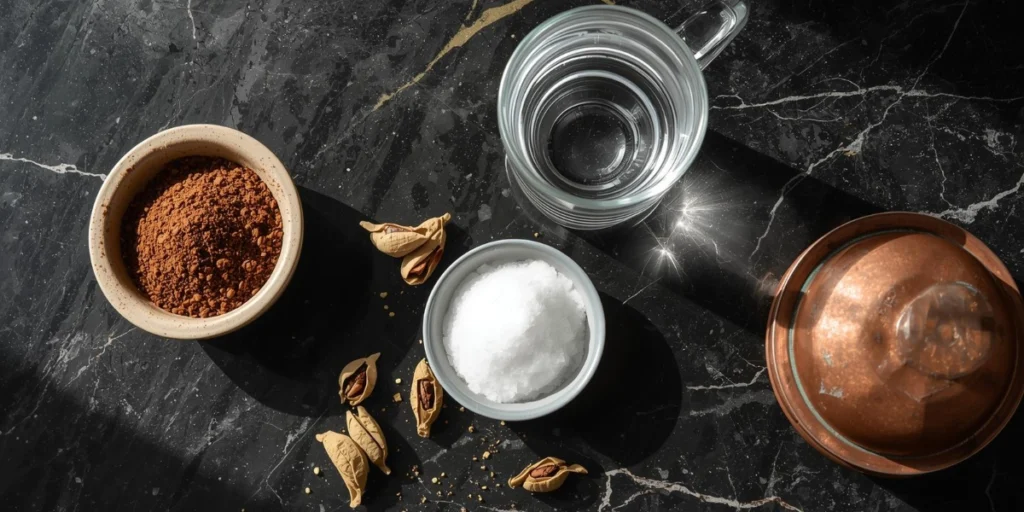
Core ingredients explained:
What makes Turkish coffee different starts with ultra-fine coffee grounds, specific water requirements, and optional traditional additions.
Turkish Coffee Ingredients Table:
| Ingredient | Amount (2 cups) | Notes |
| Cold filtered water | 6 oz (180 ml) | Measure using your serving cups |
| Extra-fine ground coffee | 2 heaping tsp | Finer than espresso, like powder |
| Sugar (optional) | To taste | Add before heating, not after |
| Cardamom (optional) | 1 pod, crushed | Popular in Middle Eastern versions |
Essential Turkish Coffee Ingredients
1. Ultra-Fine Ground Coffee
The most critical Turkish coffee ingredient is the grind size. Turkish coffee requires coffee ground to a powder-like consistency—finer than espresso, almost like flour. This ultra-fine grind allows partial dissolution into water, creating the characteristic thick, syrupy texture. Use medium to dark roast arabica beans for best results. Popular brands include Kurukahveci Mehmet Efendi and Alameed.
2. Cold Water
Always use cold, filtered water. The water temperature affects foam formation dramatically. Cold water allows for slower extraction, developing complex flavors while building that signature foam layer.
3. Sugar (Optional)
Sugar must be added before brewing begins. Once Turkish coffee is heated, you cannot stir in sugar without collapsing the foam. Choose your sweetness level based on personal preference.
4. Cardamom (Optional)
Ground cardamom adds warm, aromatic notes popular in Middle Eastern preparations of Turkish coffee. Add 1/4 teaspoon ground cardamom per cup for spiced Turkish coffee. Some regions also use mastic or cinnamon.
5. Traditional Serving Accompaniments
Authentic Turkish coffee service includes a glass of cold water (served first to cleanse the palate), Turkish delight, or small cookies. The water prepares your mouth for the Turkish coffee’s intense flavor.
Ingredient Quality Tips
For authentic Turkish coffee, source fresh-roasted beans and grind them specifically for Turkish coffee preparation. Pre-ground Turkish coffee stays fresh for 2-3 weeks when stored in an airtight container in a cool, dark place. Avoid regular ground coffee—the grind size is wrong and results will disappoint.
If you enjoy creamy espresso-based drinks, check out our post onwhat is breve coffee to compare flavor profiles.
How to Make Turkish Coffee – Step-by-Step Recipe
Now comes the fun part. Learning how to make Turkish coffee is easier than most people think. The entire process takes about 7 minutes, and once you get the hang of it, you will want to make it every morning. Here is the traditional Turkish coffee recipe that has been passed down for generations.
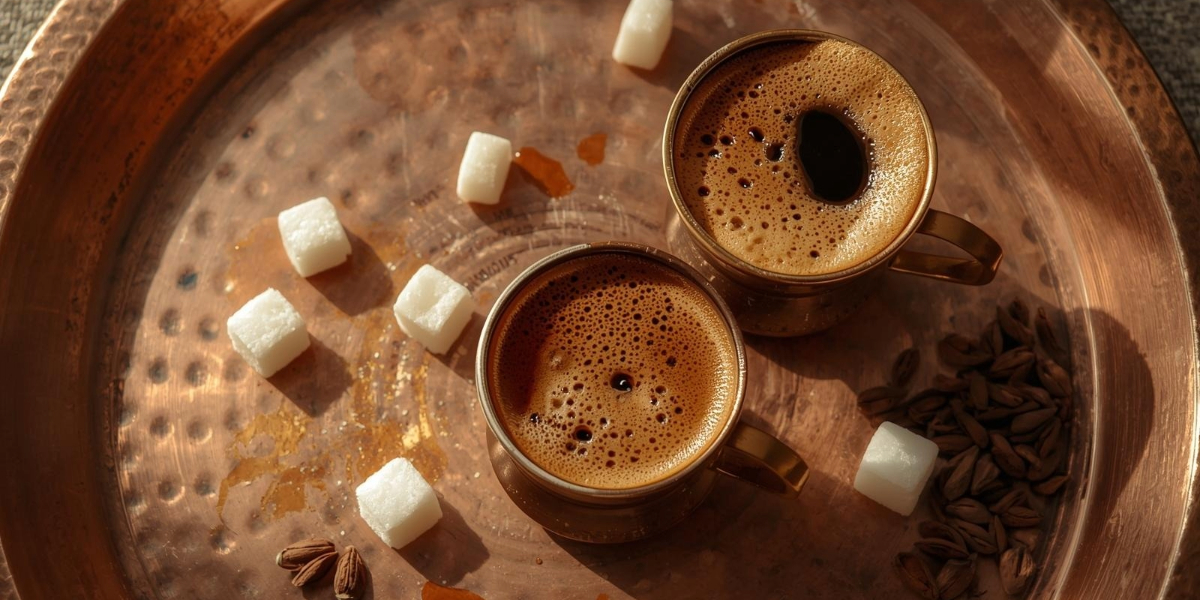
How to Make Turkish Coffee (Traditional Recipe)
Ingredients
Equipment
Method
- Measure the water: Use your serving cups to measure cold filtered water. Pour 2 cups of water into the cezve.
- Add coffee and sugar: Add 2 heaping teaspoons of finely ground Turkish coffee. If you want sugar, add it now (do not add later). Stir gently until combined.
- Heat slowly: Place the cezve on low heat. Do not stir again after this point.
- Watch the foam: After 3-4 minutes, dark foam will start to rise. When the foam reaches the rim, remove the cezve from heat immediately. Do not let it boil.
- Distribute the foam: Use a teaspoon to spoon some foam into each cup.
- Heat again briefly: Return the cezve to the stove. Let the coffee rise once more, then remove.
- Pour and serve: Slowly pour the coffee into the cups over the foam. Serve with a glass of cold water and Turkish delight.
Notes
Sweetness Levels (Turkish Tradition):
| Turkish Term | English | Sugar Amount (per cup) |
| Sade | Plain / No sugar | 0 tsp |
| Az Şekerli | Little sugar | ½ tsp |
| Orta | Medium sweet | 1-2 tsp |
| Şekerli | Sweet | 3-4 tsp |
Tips:
- Always use extra-fine ground coffee (finer than espresso). It should look like powder.
- Never stir the coffee after placing it on heat – this helps build thick foam.
- Use cold filtered water for the best taste.
- Serve immediately. Turkish coffee is best enjoyed hot and fresh.
- Do not drink the last sip – the grounds settle at the bottom.
Notes:
- If you do not have a cezve, a very small saucepan works, but the foam will not be as thick.
- Popular brands: Kurukahveci Mehmet Efendi, Alameed.
- For spiced Turkish coffee, add a pinch of ground cardamom or cinnamon with the coffee.
- Turkish coffee has about 50-65 mg of caffeine per cup. Limit to 2-3 cups daily.
Step 1 – Measure your water.
Use your small Turkish coffee cup (demitasse) as a measuring tool. Pour 2 cups of cold filtered water into the cezve.
Step 2 – Add coffee and sugar.
Add 2 heaping teaspoons of finely ground Turkish coffee into the water. If you want it sweet, add sugar now. Stir gently until everything is mixed
Step 3 – Place on low heat.
Put the cezve on the stove over low heat. This is the key to making great Turkish coffee — patience. Low heat allows the flavors to develop slowly and creates the best foam.
Step 4 – Watch the foam rise.
After about 3 to 4 minutes, you will see dark foam forming on the surface. When the foam rises and almost reaches the rim of the cezve, remove it from the heat immediately. Do not let it boil.
Step 5 – Spoon the foam.
Using a teaspoon, distribute some of the foam into each serving cup. This foam is a sign of a well-made Turkish coffee.
Step 6 – Heat again.
Return the cezve to the stove. Let the coffee rise one more time, then remove it from heat.
Step 7 – Pour and enjoy.
Slowly pour the coffee into the cups over the foam. Serve with a glass of cold water and a small sweet treat like Turkish delight or chocolate.

That is the authentic way to make Turkish coffee. It is simple, quick, and the results are incredible. For more easy coffee recipes you can make at home, browse our coffee blog for ideas and inspiration.
Pro Tips for the Best Turkish Coffee:
| Tip | Why It Matters |
| Never stir after placing on heat | Helps build thick, beautiful foam |
| Use extra-fine grind only | Regular grind will not dissolve properly |
| Always use low heat | High heat causes bitterness and kills foam |
| Serve immediately | Turkish coffee is best fresh and hot |
| Do not drink the last sip | Grounds settle at the bottom of the cup |
Turkish Coffee Nutrition – What Is in Your Cup?
Understanding Turkish coffee nutrition helps you make informed choices about this powerful brew. Here’s what’s actually in your cup.
Nutritional breakdown:
Turkish coffee nutrition varies significantly based on sugar content and serving size. Plain Turkish coffee is virtually calorie-free.

Turkish Coffee Nutrition Table (Per Cup, Unsweetened):
| Nutrient | Per Turkish Cup (60ml) Unsweetened | % Daily Value* |
| Calories | 2 kcal | 0% |
| Protein | 0.3g | 1% |
| Fat | 0.1g | 0% |
| Carbohydrates | 0g | 0% |
| Sugar | 0g | 0% |
| Caffeine | 50-65mg | N/A |
| Sodium | 1mg | 0% |
| Potassium | 91mg | 2% |
| Magnesium | 8mg | 2% |
*Based on a 2,000 calorie diet
Nutritional Comparison Table
| Coffee Type | Calories (unsweetened) | Caffeine per 2oz |
| Turkish Coffee | 2 kcal | 50-65mg |
| Espresso | 2 kcal | 63mg |
| Drip Coffee | 1 kcal | 32mg |
| French Press | 1 kcal | 27mg |
Impact of Adding Sugar
| Sweetness Level | Sugar Added | Additional Calories |
| Unsweetened (Sade) | 0g | 0 kcal |
| Slightly Sweet | 1/2 tsp (2g) | 8 kcal |
| Medium Sweet | 1 tsp (4g) | 16 kcal |
| Very Sweet | 2 tsp (8g) | 32 kcal |
Key Nutritional Notes:
Turkish coffee nutrition makes it an excellent choice for calorie-conscious drinkers. The unsweetened version contains virtually no calories or macronutrients, making Turkish coffee compatible with most diet plans including keto, intermittent fasting, and low-calorie approaches. However, Turkish coffee nutrition changes dramatically when sugar is added during brewing. A very sweet Turkish coffee can contain 34 total calories versus 2 for unsweetened.
Turkish coffee also provides small amounts of beneficial minerals including potassium and magnesium, which support heart health and muscle function. The unfiltered preparation method means Turkish coffee retains more beneficial coffee oils and compounds compared to filtered coffee methods.
According to Healthline, Turkish coffee retains higher levels of antioxidants than drip or pour-over coffee, making it a nutritionally dense choice. Curious about caffeine content in other drinks? Our detailed guide on how much caffeine is in a cappuccino gives you a clear comparison.
Turkish Coffee Benefits – Why It Is Good for You
The benefits of Turkish coffee extend far beyond its rich flavor. Scientific research reveals surprising health advantages of this ancient brew.
Science-backed benefits:
From antioxidant protection to cognitive enhancement, Turkish coffee benefits your body and mind in measurable ways.
Proven Turkish Coffee Benefits
1. Rich in Antioxidants
Turkish coffee is rich in chlorogenic acids and polyphenols. These antioxidants protect your cells from damage, reduce inflammation, and may lower the risk of chronic diseases. The unfiltered method means you get more of these compounds in every cup.
2. Enhances Athletic Performance
Turkish coffee benefits athletes significantly. The concentrated caffeine dose in Turkish coffee improves reaction time, increases energy levels, and enhances physical performance. Studies show that athletes who consumed Turkish coffee before competition experienced measurable performance improvements compared to those who drank decaffeinated versions.
3. Boosts Cognitive Function
Turkish coffee benefits your brain in multiple ways. The high caffeine content improves memory, mood, focus, and attention span. Regular consumption of Turkish coffee may also reduce the risk of cognitive decline, Alzheimer’s disease, and Parkinson’s disease. Research indicates that moderate Turkish coffee intake is associated with a 27% reduced risk of developing Alzheimer’s disease.
4. Supports Heart Health
Moderate Turkish coffee consumption provides cardiovascular benefits. Studies show that drinking 2-3 cups daily is associated with a 15% reduction in heart disease risk. The antioxidants in Turkish coffee help reduce inflammation and improve blood vessel function.
5. May Reduce Diabetes Risk
Turkish coffee benefits include potential diabetes prevention. Regular consumers of Turkish coffee show a 12% lower risk of developing type 2 diabetes. The chlorogenic acids in Turkish coffee help regulate blood sugar levels and improve insulin sensitivity.
6. Protects Liver Health
Research suggests Turkish coffee benefits liver function. Regular moderate intake correlates with reduced risk of liver disease, cirrhosis, and liver cancer. The protective compounds in Turkish coffee support healthy liver enzyme levels.
7. Aids Digestion
Traditional Turkish coffee consumption after meals can aid digestion. The concentrated nature of Turkish coffee stimulates digestive processes, making it a functional after-dinner beverage.
8. Contains Anti-Inflammatory Compounds
When cardamom is added to Turkish coffee, additional anti-inflammatory benefits emerge. Cardamom extract effectively inhibits inflammatory compounds like TNF-α and IL-6, providing extra health support.
9. Promotes Longevity
The cumulative Turkish coffee benefits—disease prevention, antioxidant protection, and cognitive support—may contribute to increased longevity. The social ritual of Turkish coffee drinking also supports mental wellness and community connection.
10. Supports Mental Well-Being
Beyond caffeine’s mood-boosting effects, the mindful ritual of preparing and enjoying Turkish coffee promotes relaxation and stress reduction. This traditional practice encourages slowing down and being present.
If you love learning about the health side of coffee, you might enjoy our article on coffee benefits for skin which covers 7 science-backed ways coffee helps your body.
Is Turkish Coffee Healthy or Not?
This is a fair question, and the answer depends on how you drink it. Is Turkish coffee healthy when consumed plain and in moderation? Absolutely. Is it healthy when you load it with 4 teaspoons of sugar and drink 5 cups a day? Not so much.
Honest assessment:Turkish coffee is healthy when consumed properly, but certain preparation methods can reduce its health benefits.
The Healthy Aspects of Turkish Coffee
Why Turkish Coffee Is Healthy:
Turkish coffee is healthy due to its rich antioxidant content, minimal calorie count, and beneficial bioactive compounds. The unfiltered brewing method preserves chlorogenic acids and polyphenols that provide anti-inflammatory and disease-fighting benefits. When prepared without sugar.
The concentrated caffeine in Turkish coffee (50-65mg per small cup) falls within healthy consumption ranges when limited to 2-3 cups daily. This amount provides energy and metabolic benefits without exceeding the recommended 400mg daily caffeine limit for adults.
Turkish coffee is healthy for most people when:
- Consumed unsweetened or with minimal sugar
- Limited to 2-3 cups per day
- Enjoyed as part of a balanced diet
- Not consumed late in the day (affecting sleep)
- Prepared with quality, fresh-roasted beans
Plain, unsweetened Turkish coffee has only 2 calories per cup, is rich in antioxidants, supports brain function, aids digestion, and may reduce the risk of diabetes and heart disease. Drinking 1 to 3 cups a day is considered safe and beneficial for most healthy adults according to the FDA’s caffeine guidelines.
Potential Health Concerns
When Turkish Coffee May Not Be Healthy:
Is Turkish coffee healthy or not becomes complicated when excessive sugar is added. Traditional Turkish coffee often contains 1-2 teaspoons of sugar per cup, adding 16-32 extra calories and spiking blood sugar. Regular consumption of sweetened Turkish coffee can increase risk of obesity, high triglycerides, and type 2 diabetes.
Turkish coffee is not healthy when:
- Made very sweet (çok şekerli) regularly
- Consumed in excess (4+ cups daily)
- Drunk by people sensitive to caffeine
- Consumed by individuals with high blood pressure (can temporarily raise blood pressure)
- Drunk late in the day, disrupting sleep
The unfiltered nature of Turkish coffee means it contains cafestol, a compound that may raise cholesterol and triglyceride levels in some people. Individuals monitoring cholesterol should limit Turkish coffee intake or choose filtered coffee methods instead.
Adding excessive sugar increases calorie intake and can raise blood sugar levels. Drinking more than 3 to 4 cups daily may cause sleep problems, anxiety, and elevated blood pressure. Turkish coffee also contains cafestol (a compound found in unfiltered coffee) that may raise cholesterol levels in some people.
According to Harvard T.H. Chan School of Public Health, unfiltered coffee has higher cafestol levels, so moderation is important.
The bottom line: Turkish coffee is healthy when you drink it plain and limit yourself to 2-3 cups daily.
Is Turkish Coffee Good for Weight Loss?
One of the most common questions: is Turkish coffee good for weight loss? The science provides a nuanced answer.
Weight loss potential: Turkish coffee can support weight management through multiple mechanisms, but it’s not a magic solution.
How Turkish Coffee May Aid Weight Loss
1. Boosts Metabolism
Is Turkish coffee good for weight loss? Yes, partially because it increases metabolic rate. The caffeine in Turkish coffee stimulates your central nervous system, elevating your metabolic rate by approximately 5%. This means your body burns calories more efficiently throughout the day, even at rest. The concentrated caffeine in Turkish coffee makes this metabolic boost more pronounced than with regular coffee.
2. Increases Fat Burning
Turkish coffee promotes fat oxidation—the process where your body breaks down fat cells and uses them for fuel. Caffeine stimulates the release of adrenaline, which signals fat cells to break down fat and release it into your bloodstream for energy. This effect makes Turkish coffee particularly beneficial when consumed 30-45 minutes before exercise.
3. Suppresses Appetite
Is Turkish coffee good for weight loss through appetite control? Research suggests yes. Turkish coffee may reduce levels of ghrelin (the hunger hormone), helping you feel fuller longer. This appetite suppression can naturally reduce calorie intake throughout the day, supporting weight management goals.
4. Provides Energy for Exercise
he caffeine boost from Turkish coffee can increase motivation for physical activity and improve workout performance. Better workouts mean more calories burned and improved fitness results. Many athletes consume Turkish coffee before training for this reason.
5. Contains Zero Calories (When Unsweetened)
Pure Turkish coffee contains only 2 calories per cup, making it an ideal beverage for calorie-conscious individuals. Unlike lattes, mochas, or other specialty coffee drinks, unsweetened Turkish coffee won’t sabotage your calorie deficit.
Best Practices: Is Turkish Coffee Good for Weight Loss?
To maximize Turkish coffee’s weight loss potential:
- Drink 1-2 cups daily, unsweetened
- Consume 30 minutes before exercise for enhanced fat burning
- Always pair with adequate water intake
- Use Turkish coffee as part of a comprehensive weight loss plan including balanced nutrition and regular exercise
- Avoid drinking Turkish coffee after 2 PM to protect sleep quality
As you can see, Turkish coffee is one of the best options if weight loss is your goal. Just keep it sugar-free and limit consumption to 2 cups per day. If you want even more coffee-based weight loss strategies, check out our post on how to make coffee sweet without sugar for 15 proven alternatives.
The bottom line: Is Turkish coffee good for weight loss? Yes, when used strategically as part of a healthy lifestyle. Turkish coffee can boost metabolism, increase fat burning, and support your weight loss journey—but only when combined with proper diet and exercise habits.
Turkish Coffee vs. Espresso – What Is the Difference?
Wondering how Turkish coffee compares to espresso? Both are strong, concentrated brews, but the differences are significant.
Key distinctions: Understanding Turkish coffee versus espresso helps you appreciate what makes each brewing method unique.
Turkish Coffee vs Espresso Comparison
| Feature | Turkish Coffee | Espresso |
| Grind Size | Ultra-fine (powder) | Fine (not powder) |
| Brewing Method | Boiled in cezve | Pressurized extraction |
| Pressure Used | None (simmered) | 9 bars of pressure |
| Extraction Time | 5-7 minutes | 25-30 seconds |
| Serving Size | 60ml (2oz) | 30ml (1oz) |
| Texture | Thick, syrupy, unfiltered | Smooth, filtered |
| Foam Type | Light, airy foam | Crema (dense) |
| Caffeine Content | 50-65mg | 63mg |
| Grounds in Cup | Yes (settle at bottom) | No (filtered out) |
| Equipment Cost | $15-50 (cezve) | $200-3,000+ (espresso machine) |
| Preparation Skill | Moderate | High |
| Cultural Tradition | 500+ years (Ottoman Empire) | 100+ years (Italy) |
Flavor Differences:
Turkish coffee delivers a bold, full-bodied experience with earthy, sometimes spicy notes depending on preparation. The unfiltered nature creates a thicker mouthfeel with sediment at the bottom. Espresso provides a concentrated, intense shot with cleaner flavor due to filtration. Espresso typically has more pronounced acidity and a smoother finish.
Which Is Better?
Neither is “better”—they’re different experiences. Choose Turkish coffee for traditional ritual, cultural connection, and unique unfiltered character. Choose espresso for modern convenience, cleaner taste, and use in milk-based drinks.
Both drinks have their charm, and honestly, both are worth trying. Turkish coffee is perfect when you want a slow, mindful coffee ritual, while espresso suits a fast-paced morning. If you enjoy espresso drinks, read our guide on what is doppio coffee for another bold espresso experience.
FAQs – People Also Ask
What is the ratio of coffee to water for Turkish coffee?
Use 1 heaping teaspoon of extra-fine ground coffee for every 3 oz (one demitasse cup) of cold water. This ratio gives the best flavor and foam.
Can I make Turkish coffee without a cezve?
Yes, a small saucepan works. Use low heat and pour slowly. The foam may not be as thick, but the taste
How many cups of Turkish coffee per day is safe?
Most healthy adults can safely enjoy 2 to 3 cups of Turkish coffee per day. This keeps caffeine intake within the recommended 400 mg daily limit.
Does Turkish coffee raise cholesterol?
Unfiltered coffee contains cafestol, which may raise LDL cholesterol. Limiting intake to 2-3 cups daily and monitoring levels reduces this risk.
Can I add milk to Turkish coffee?
Traditionally no. Turkish coffee is served black. However, some modern drinkers add a splash of milk, though this changes the flavor and texture significantly.
Final Thoughts
Learning how to make Turkish coffee at home is one of the most rewarding coffee skills you can pick up. It takes just 7 minutes, needs only 3 ingredients, and delivers a cup of coffee that is rich, aromatic, and full of tradition. We covered everything from Turkish coffee ingredients and the step-by-step Turkish coffee recipe to the impressive Turkish coffee benefits, detailed Turkish coffee nutrition, and answered whether is Turkish coffee healthy or not and is Turkish coffee good for weight loss. The verdict is clear — when you drink it plain and in moderation, Turkish coffee is a fantastic addition to a healthy lifestyle. Now go grab a cezve, some fine-ground Arabica, and start brewing. Your kitchen is about to smell incredible.
2 thoughts on “How to Make Turkish Coffee – Easy Recipe & Benefits”
Comments are closed.
wish you best and best
“🌟 Right back at you! May your coffee always be strong, your foam always perfect, and your mornings always peaceful. Cheers to the best of the best! ☕✨”